barn dance, ceilidh, ceilidh stories, classes, community

Why Do We Dance? — stories from the ceilidh dance floor

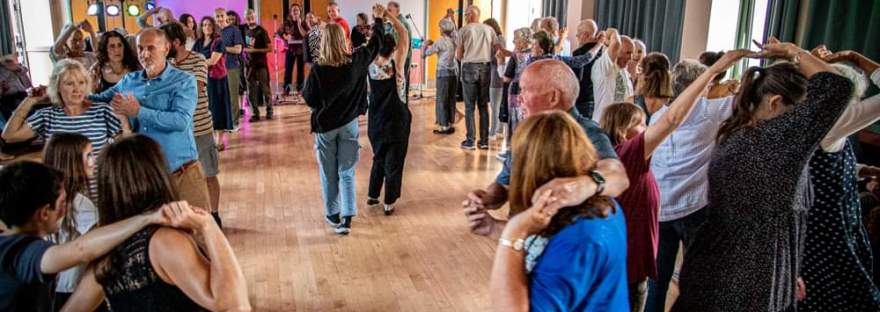
Today is European Folk Day, and I’m delighted to share a project I’ve been quietly working on: Why Do We Dance?, a collection of stories from people who ceilidh dance.

I love ceilidh dancing. I may be a little biased.

But one of the things that has always intrigued me is that I can’t spot a ‘ceilidh type’.

I couldn’t look at a group of people and tell you who would give it a go, who would love it, or who would still be dancing years later.

We spend a lot of our lives in our own little bubbles, mixing with people a bit like ourselves. On a ceilidh dance floor, I see all sorts of people dancing together.

And that made me curious.

What brought them there? What made them stay? And what did dancing mean to them?

So I asked.

The people behind the dancing
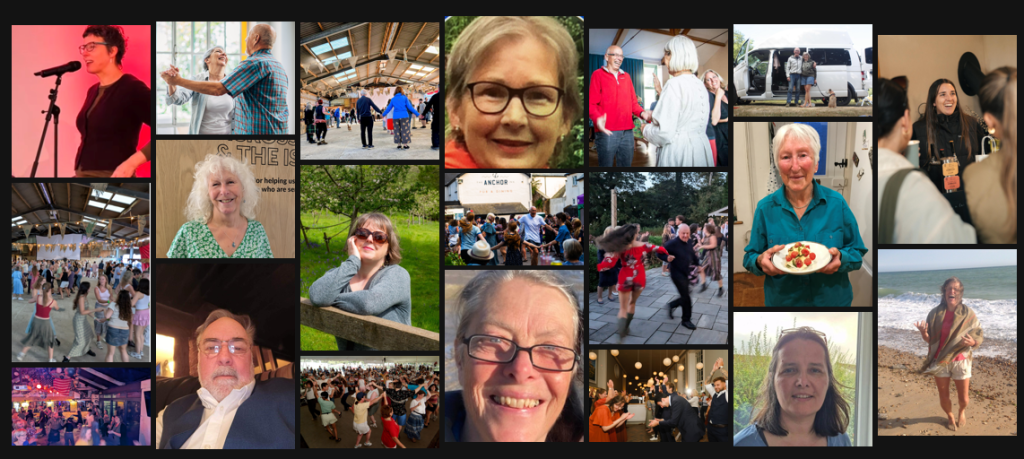
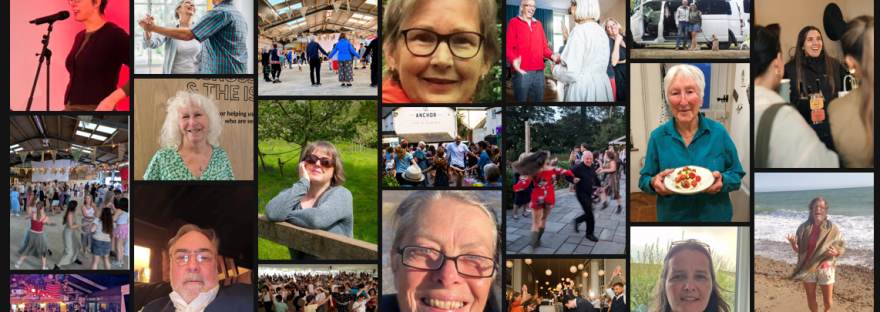
The people in Why Do We Dance? have all found their way to ceilidh dancing by different routes.

Some have been dancing for decades. Others have only recently discovered it. Some came because they wanted exercise or company. Some were persuaded by friends. Some were nervous about walking through the door.

Amelia is one of the younger people in the collection. She really didn’t want to go to her first ceilidh. It was a Tuesday night, she wanted to go to bed, and she’d gone along with friends. Then she discovered she loved it. She talks about the joy of dancing with people of all ages, having a night out that doesn’t have to revolve around drinking, and feeling more connected to the community around her.

Their stories include bereavement, illness and difficult periods in people’s lives, but also an enormous amount of laughter, friendship and joy.

There are people who talk about the satisfaction of learning and mastering dances. Others remember getting things spectacularly wrong and laughing about it.

There are people who came on their own and found themselves dancing with strangers. People who’ve discovered they are capable of things they weren’t sure they could do. People who’ve returned to dancing after many years.

And there are some wonderful love stories in there too.

Mike introduced Trudy to her first ceilidh at Sidmouth on their first date 18 years ago. They’re still dancing together.

Claire remembers dancing with her husband when they were young and energetic, spinning until they were dizzy with laughter. Now in her early 70s, she is dancing regularly again.

And sometimes what matters is precisely that a dance doesn’t belong to an earlier part of someone’s life. One contributor, who has chosen to remain anonymous, found ceilidh after the death of his partner. It was something new: something that belonged to the present rather than the past.

They’re very different stories.

That’s exactly why I wanted to collect them.

Everyone can be a dancer

I didn’t want to write something telling people why I think ceilidh dancing is good for them.

I wanted the people on the dance floor to tell me what it means to them.

For some, it’s the music. For others, it’s the movement, the people, the challenge, the laughter or the chance to switch off from everything else for a while.

Often it’s several of those things at once.

And while ceilidh can be wonderfully accessible when you’re completely new to it, there’s also enormous pleasure in getting better at dancing. There’s a particular exhilaration when you know a dance, the musicians are flying, everyone around you knows what’s coming next and suddenly the whole thing just works.

That’s one of the things I love about it.

But getting something wrong shouldn’t mean feeling that you don’t belong on the dance floor either.

Everyone can be a dancer.

Why publish it on European Folk Day?

European Folk Day is a celebration of the living traditions that people across Europe take part in, share and pass on.

That seemed like a very good day to celebrate the people who are actually out there dancing.

Folk traditions survive because people do them. They learn them, teach them, play the music, change things, bring friends, turn up to classes, organise events and step onto dance floors.

And, most importantly, they enjoy them.

Read Why Do We Dance?

You can now read the complete Why Do We Dance? collection here:

A huge thank you to everyone who contributed a story and trusted me to share it. I’ve tried to keep each person’s voice at the heart of their contribution, because these are their stories rather than mine. Although I have added one of my own at the end.

And I hope this isn’t really the end of the project.

I’d love Why Do We Dance? to become a growing collection. If you ceilidh dance and reading these stories makes you think, “I’ve got a story too,” please get in touch.

I’d love to hear why you dance.

Happy European Folk Day.
barn dance, Carharrack, ceilidh, classes, community, free, taster

New venue: The Ladder, Redruth

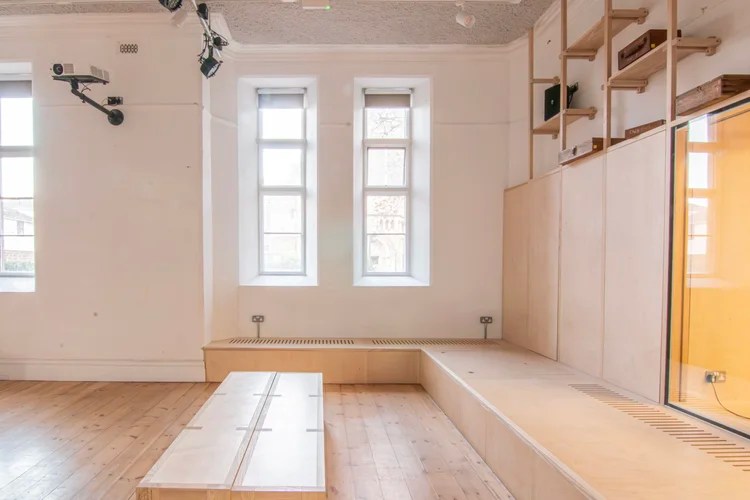
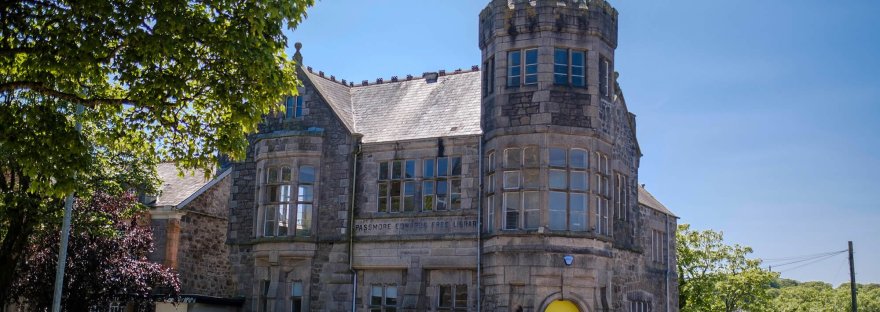
Our Tuesday evening classes are moving to the beautifully renovated Old Library in Redruth, The Ladder!

Same time (19:30 – 21:00), same friendly group of dancers, same focus on fun and joining in.

To celebrate the first class at The Ladder on Tuesday 6th January will be free (but please still book, especially if you are new).

Looking forward to dancing in this lovely new space with you all very soon!

More about The Ladder Redruth class here.

barn dance, Carharrack, ceilidh, classes, community, devoran, free, Grampound Road, Ladock, Penryn, St Erth, taster

Let’s Dance for free with Ceilidh Cornwall!

We are joining the national Let’s Dance campaign – all our classes next week (3rd – 7th March) are free!

To book please send a message stating:

  • the class you want to attend,
  • the number in your group, and
  • if children are joining in please let me know their ages (note, under 12s are most suited to the Friday class, but teens will manage well at all classes).

What is Let’s Dance?

This is what the Let’s Dance campaign says itself:

Let’s Dance was born out of a simple idea: Dance has the power to transform lives.

When Angela Rippon CBE reconnected with dance on Strictly Come Dancing, she saw firsthand the physical, mental, and social benefits of dancing regularly. Inspired by her journey and the conversations it sparked across the UK – particularly among older adults – Angela partnered with national organisations to launch a campaign that brings dance to everyone.

Whether you’re 8 or 80, a complete beginner, or a lifelong dancer, Let’s Dance is here to make movement joyful, accessible, and inclusive.

Ceilidh is good for you!

Is is very well recognised that dance, and folk dance and ceilidh is fabulous for physical and mental wellbeing. The Sport and Recreation Alliance have produced a thorough report all about this. “The report … provides robust evidence that movement and dance can facilitate equivalent physical and mental health benefits to any other form of physical activity.”

As Angela Rippon CBE, Let’s Dance founder, puts it, “Dance is the perfect exercise to improve the health and wellbeing of mind and body, regardless of age or physical condition..  And a great way to meet new people and beat isolation and loneliness.”

What ceilidh class dancers say

Ceilidh Cornwall class attendees tell me the same thing:

“after the class I felt so uplifted for the whole week” (Penryn class attendee, February 2025)

“Had a great time and felt really enlivened for the rest of the day. Exercise and laughter. Can’t get better than that.” (St Erth class attendee, January 2025)

“It was a good mental workout tonight” (Ladock/Grampound class attendee, February 2025)

“I feel like this was as much of a workout as my exercise classes” (Ladock/Grampound class attendee, February 2025)

Come and give ceilidh dancing a try and see if it might suit you too. Here is where to find us for these free classes – just mention your preferred class when you get in touch to book.

Regular classes (adults and teens):

All-ages, family-friendly class:

barn dance, Carharrack, ceilidh, classes, community, dance instructions, devoran, Grampound Road, Ladock, new dances, Penryn, St Erth

Ceilidh class news: lovely friendly groups, new venues from February and a new dance, Woodland Valley Romp!

I’m sat in a patch of sunlight filtering in through the winter realising that the day has a real spring feel to it. We’ve now had a month of new ceilidh classes around Cornwall already and I’m delighted to say that time has flown by.

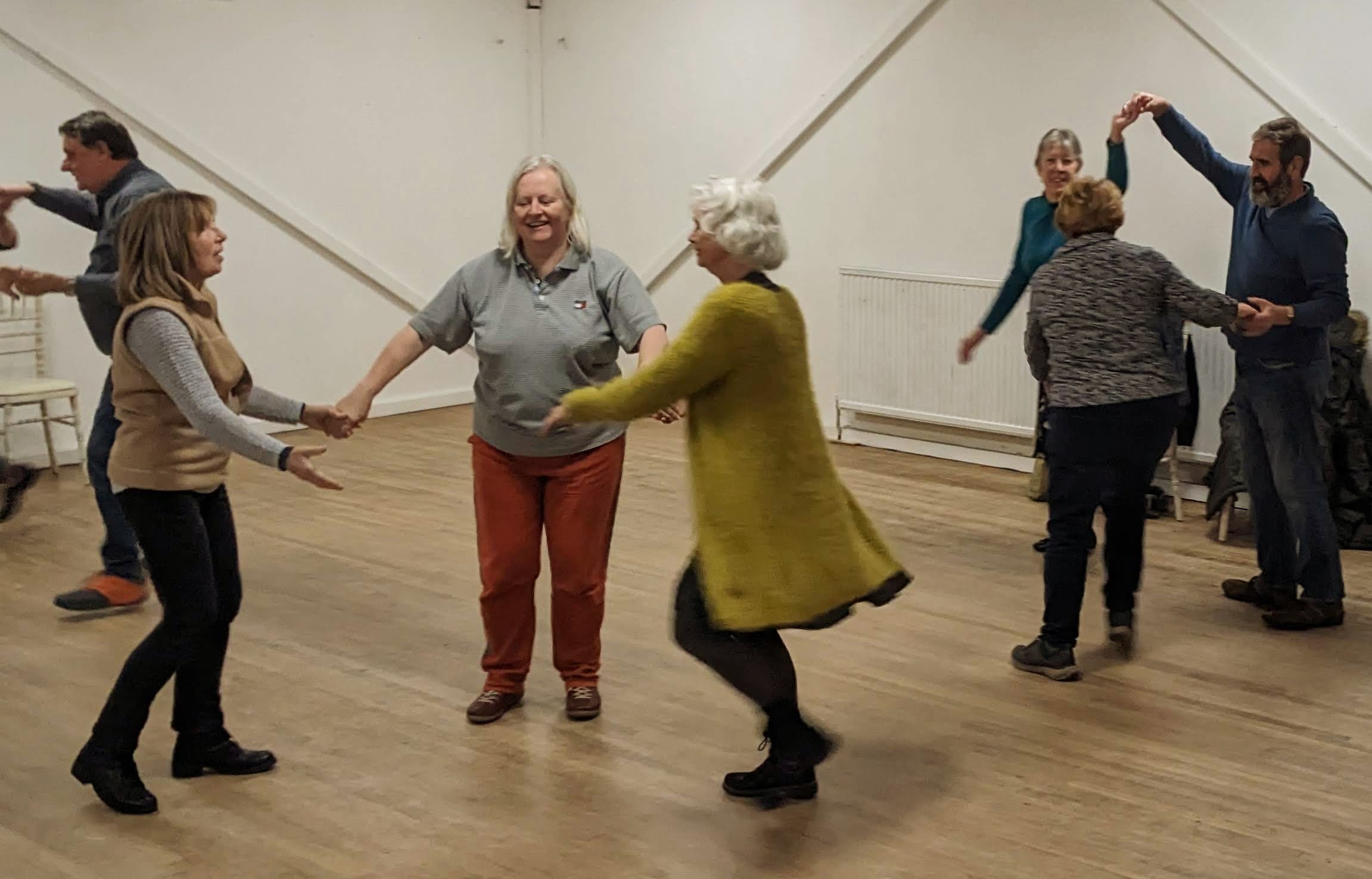
Our regular ceilidh classes in Penryn, St Erth, Carharrack and Ladock/Grampound Road are doing well and each group has a positive, friendly atmosphere. Our all-ages class on a Friday has also been fun and I’m happy to say we are achieving our aim of creating a multi-generational class with people from under 10 to over 80.

Fancy joining us? We have spaces in all classes and welcome everyone. No experience and partner required. ‘Regular’ classes are for adults and teens welcome too (age 12+ is the recommended age but please get in touch to ask about suitability if not sure). All-ages classes are just that, suitable for all ages.

Ladock and Grampound Road Wednesday regular classes – new venues

In fact, our Ladock class has grown beyond the capacity of the space we were using so we have new venues from next week (12th February 2025) and we will be dancing some weeks at Ladock Community Hall and Grampound Road Village Hall (also called Sir Robert Harvey Memorial Hall). Both of these halls have plentiful space and good floors for dancing, so we will be able to twirl and spin to our hearts’ content.

Check the venue schedule here to be sure you go to the correct hall each week.

Ladock Community Hall
Grampound Road Village Hall

On this note, I would like to heartily thank Woodland Valley Farm near Ladock for supporting the development of these classes throughout January and for providing us with a beautiful converted barn to dance in. If anyone wants a good venue for a party or a special event, including with accommodation we’d recommend Woodland Valley Farm, and we look forward to popping back for a visit later in the year to learn about the exciting Beaver Project and maybe even to dance in the bigger barn once the weather warms up.

The Woodland Valley Romp

To honour our time at Woodland Valley Farm we have created a new dance and our Ladock class have tried and tested it, and given it a name: The Woodland Valley Romp. Our set of 16 people fit beautifully in the space!

8 couple longways set (line facing a line, standing opposite your partner). 32 bar jig or reel.

A part:

First corners (those with nobody standing to their right in each line) meet in the middle of the set (this takes 4 beats), turn each other with both hands (8 beats), and return to place (another 4 beats).

Second corners (those with nobody standing to their left in each line) meeting in the middle of the set (4 beats), turn each other with both bands (8 beats), and return to place (4 beats).

B part:

Stars: Couples 2 and 3, 4 and 5, 6 and 7 make right stars (turn for 8 beats), then left hand stars (8 beats).

Over their heads: The top two couples then stand in a line across the top of the set all facing down the set. Others make sure they are in their original places, lines, standing opposite their partners. The two top couples join hands in their line and raise them into a row of arches, then run over everyone’s heads to the bottom of the set (2 people down the middle, one person either side of the set) – as in Riverside Jig. (8 beats*)

All swing: Everyone swings or spins their partners (8 beats*)

*If you need more time for the ‘over the head’ part then you can use a 40 bar tune and adjust the time for the B part accordingly, or remove the ‘all swing’.

barn dance, ceilidh, classes, community

Explore Fun Ceilidh Classes for Kids and Adults

Class booking for 2025 now open.

Ceilidh Cornwall is growing and we are starting new classes around Cornwall. We have three types of classes for you, aimed at different age groups. Pre-booking is advised because some classes are already filling up fast. It also helps us get started dancing straight away in each session.

Ceilidh Tots is for preschool aged children and their adults. Dances are simplified ceilidh dances and will involve circles, lines, and counting up to 8. They include movements to the right and left. We have fun games too with varied types of ceilidh and folk music. These are morning classes running 09:30 – 10:15 on Tuesdays in St Erth and Wednesdays near Ladock. You are welcome to stay afterwards for a cup of tea or coffee. It is good to have time to catch up with your ceilidh friends.

All ages ceilidh class sessions occur in the late afternoon. They are after-school classes suitable for everyone. Families, teens, and adults of any age can join in. These focus on multi-generational folk dancing, including everyone in the dance. These classes are great if you’ve got energy to use up after school or if you want some exercise and socialising but an evening class is too late for you, or if the energy of an all ages class appeals to you. One of the joys of ceilidh dancing is how everyone can get involved from 3 to 103. Under 3s and over 103s are also most welcome! These run on Wednesdays near Ladock (16:30-18:00) and on Fridays in Devoran (16:15-17:45).

Adult classes (also suitable for teens age 12+) are held during the daytime in Penryn (13:15-14:45) and St. Erth (11:00-12:30) and evening in Carharrack (19:30-21:00) and near Ladock (18:30-20:00). These classes will be good for you if fancy learning the steps a little more, prefer a group with fewer small children or you’d like to try out a greater variety of dances. These classes will ultimately get into more complex dances than the other classes, but they are still suitable for beginners – we won’t leave anyone behind.

All classes focus on having fun, joining in and making everyone feel welcome. In all the classes you’ll get a good workout too and leave feeling uplifted (we hope). No experience or partner is required, though experienced dancers and partners are invited too and they also tell us they have fun!

barn dance, Carharrack, ceilidh, classes, community

Ceilidh classes – let’s dance our way into summer

Isn’t it lovely that we are seeing the sun, after what must be six months of rain! I’m so happy I could dance…

Perfect timing really – ceilidh classes start again on Tuesday 23rd April and we’ve got the venue booked fortnightly right through until mid December, with a teeny break in August.

Despite being rather quiet on the website front (dratted illness, but much better now, and joyful busyness with ceilidhs and day-job work), we’ve been having fun with ceilidh classes over the winter-spring term, and have welcomed a lot of new dancers into our community. It has been lovely to see familiar and new faces enjoying themselves on a Tuesday evening.

Here’s an Orcadian Strip the Willow at a recent public ceilidh that I called in Carleen, West Cornwall. The band are The Rosevilles.

If you fancy joining us, or tried it out during the winter but were put off because of the chilly weather, then please do feel very welcome to come back and join us. All our classes can be stand-alone, so there’s no problem if you’ve missed any or not been before. We still meet at Carharrack Social Club and classes are 19:30 – 21:00 fortnightly on Tuesdays.

So, what have classes been like during the dark and rainy winter (and spring too)?

Would you enjoy them?

Firstly, they’ve been good for getting the blood circulating and warming up chilly fingers and toes, and everything in between! We’ve had classes in storms and I was so grateful and delighted that people ventured out through the rain and wind to have a dance – thank you!

As with the first term in the autumn, our first couple of classes were very full in January, with people keen to try out this ceilidh thing, over 40 people each time. Then, as things settled down a bit we’ve had around 24 people at most classes since then (not always the same people, but there are some regulars and often a few people who are just trying it out).

We’ve learned a few ceilidh classics and some less well know dances, as well as few from beyond our shores.

Here are some dances from our classes before Easter. I’d love to know which ones people liked best.

Goathland Square Eight

A square dance, where each couple forms the side of the square, often mixed up with Holmfirth Square or other similar square dances, but quite easily interchangeable and that’s not necessarily bad. This version in the video above is fun – crossing the set with arches like this and grand chains around the circle are fun (alternating right and left hands with other dancers as you move around the set – you go one way, your partner goes the other way, you meet half way and then again where you started out – potentially very civilised, like shaking hands with everyone in the group in turn (haha, maybe not, this is ceilidh, potential for chaos). There are several dances with ‘Square Eight’ in the name, prefixed by different locations, e.g. Cumberland Square Eight, Yorkshire Square Eight. They are usually fun, and square eight just tells you how many people are needed and what shape to start out in. We sometimes like to play around with numbers and shapes though, so everyone can join in.

Country Bumpkin

A relatively modern dance with an interesting variation of a grand chain, the horseshoe grand chain (‘trousers’ – up one leg and down the other!) rather than a circle, written by Mike Barraclough in 1982.

Old Swan Gallop

Any dance where you can gallop and infiltrate other sets is a hit! Here you start in a Sicilian Circle formation – one couple facing another couple in a minor set of 4 dancers within the wider big circle shape. This dance has evolved, as described by Lisa Heywood, but in this form was written by Dave Hunt, adapted from a dance by Roger Watson.

Circle Waltz

Beautiful, graceful and reminiscent of the elegant dances in historical dramas, I love the Circle Waltz. Also, an excellent dance to have a change of tempo and a wee bit of breather between all the jigs and reels.

Riverside Jig

Here’s one where you’ll need a breather afterwards! The Riverside Jig is a popular and easy ceilidh dance, and also fast and furious as the top two couples at the end of each time through the dance rush over the heads of all the other dancers right to the bottom of the hall. The dance is named after the famous Riverside Club in Glasgow which used to hold regular ceilidhs.

Canadian Barndance – to Salsa Celtica

My favourite! Here’s us dancing this spring at our regular Tuesday class in Carharrack. It’s fun to play around with musical genres!

Look good?

Feel most welcome to join us on a Tuesday evening at Carharrack Social Club – more details about classes can be found here.

barn dance, Carharrack, ceilidh, classes, community, dance instructions, new dances, Uncategorized

Ceilidh class notes (5/12/23)

Our final class before Christmas! How lovely to have met so many friendly people this term, thanks so much for coming along to our ceilidh classes. It has been a real pleasure to see you develop your ceilidh skills and to see all your smiling faces!

So, in our final class we went over a few dances we had done before, and then we learned a couple of new ones:

Nina’s Double Troika

Learning Nina’s Double Troika at our ceilidh classes

Nina Fenner is also a ceilidh caller with The Rosevilles Ceilidh Band and she will be calling a few dances at our Christmas-ish Ceilidh on Friday 8th December so we learned a dance that she created.

Danced in groups of 3, it is a bit unusual in that each figure takes 4 beats rather than the more common 8. So, at times you might have to move fast. It can be danced to jigs and reels. Here are the instructions:

3 people in a circle. Circle left for 4. Then right for 4.

Break the circle into a line with joined hands. You’ll do this a few times in the dance and it is easiest if you keep in the same order in your three, but if you wish to have more of a challenge then you can vary who takes each place in the line by breaking the circle at different point each time through.

The middle person raises their hands. The person on the right hand end of the line dances first, turning anticlockwise towards the middle person and under the nearest arch to them. This takes 4 beats.

The person on the left hand end of the line now does the same through the arch nearest to them. Again, 4 beats.

Reform the circle. Circle left for 4 and right for 4.

Break the circle into a line again as before with joined hands.

The middle person raises their arms again into arches. The person on the right hand end of the line dances first, passing in front of the middle person and through the arch further away from them. The middle person will also need to turn on the spot. Hold hands loosely so you don’t get into a tangle. This move also takes 4 beats and you need to be faster than before.

The person on the left hand end of the line now does the same, passing in front of the middle person and through the arch farthest from them. The middle person turns on the spot. 4 beats.

Back to the start of the dance.

Clopton Bridge (ceilidh style)

Longways set for 4 couples (though we also managed with five couples and an extra pointy star). 32 bar hornpipe or jig as we did. This English ceilidh dance was written by John Chapman and published in 1987.

This was fun, and a gentler introduction to ‘corners’ than our previous attempt at the Reel of the 51st Division! I do like the unusual figure of first corners turning each other in the middle of the dance and then second corners doing this next.

Generally this dance is done to a hornpipe with step-hop footwork (see any video of Clopton Bridge, and below). To be more ceilidh-ish and suitable for events where there are ceilidh beginners we danced this with simple travelling steps and to a jig.

Clearly shows where dancers go, though rather a lot of ‘step-hop’ instructions!

Lisa Heywood describes a variation for advanced dancers where the end couples do rights and lefts around the outside of the set while the middle couples dance right and left hand stars. It is fun, but requires fast movement and for everyone to know what they are doing! Lots more here from Webfeet about extra variations!

Next stop ceilidh! Join us on 8th December!

And new classes start on 9th January – block book in advance here!

barn dance, Carharrack, ceilidh, classes, community, dance instructions

Ceilidh class notes (21/11/23)

Somewhat international this time, with a Danish dance mocking the Swedes and danced in Scotland, two American dances and an English barn dance, as well as one of my own.

Jonny’s Birthday Reel

We started the class with an easy longways set for as many as want to join in, one devised at a birthday party earlier this year for Jonny who liked dances with arches. Still not caught it one video, but you can read about it here.

Swedish Masquerade

This dance was a request at our last Rosevilles public ceilidh – so the band have learned the tune and ready to dance it on December 8th.

The Swedish Masquerade is a fairly common ceilidh dance in Scotland. It isn’t Scottish and it isn’t Swedish. It is purported to be Danish. A similar dance is danced across Scandinavia and in Germany.

The distinguishing characteristics of the Swedish Masquerade are the three sections – a 4/4/ march, a waltz and a polka (or hopsa). The walking section allows for some pantomime as the Danes make fun of the Swedes, with exaggerated proper dancing.

With 3 walking steps and turn, repeat, twice, to start with.
With 7 walking steps and turn, then back, to start with

This next video breaks the dance down into sections and has a fun variations with hands together as you balance (or pas de basque) away and together in the middle waltz section, and with a kick in the polka section. Despite what the presenter says the waltz section is not in 4/4 but is in 3/4 as a waltz should be!

Snowball

Since the winter has started to reach Cornwall I thought we’d do this wintery sounding English style barndance written by Martin Hodges. Snowball refers to the gradual increase in the number of the dancers with each 16 beats of the music. It’s a good one for early in a ceilidh to teach a few basic moves. With 5 couples in the dance it is a bit longer than many dances – you’ll need a 48 bar jig for this one.

Polka Dots

I enjoy dances that are a bit different. This one is excellent for not needing to have a partner at all – you dance as a group of 5 and you dance with everyone in the group. It is also great practice for a reel of three figure, or if you prefer you can do si do.

I found it in a book called ‘Barn Dance Hoedown’ by the Ring O’Bells band and haven’t found any videos of it yet. So, here is a summary of the dance:

Arrange yourselves like the dots on the 5 side of a dice: 4 people each standing in the corner of a square, one person standing in the middle.

Photo by Jonathan Petersson on Pexels.com

First half of the dance:

A1: The person in the middle initially faces the person nearest the band (with their back to the band), and then next with the person directly opposite (facing the band) – these three dancers form a line aligned up and down the dance hall from the band to the end of the room. The original dance involves these three dancing a reel of three together (see notes from the last class), but to make it simpler for beginners or dancers at a ceilidh, I suggest dancing a do si do with the first person, then turning and dancing do si do with the second person in this line. This takes 16 beats.

A2: After this, repeat this figure with the other two dancers (aligned across the dance hall). This takes another 16 beats.

Second half of the dance:

B1: The same dancer is still in the middle, and they again face the person who has their back to the band. With this person, set (jump right, jump left), then turn that person by a half turn using the right arm, so that they are in the middle and you take their place. This takes 8 beats.

This person then does the same with the next person around the formation – set then half turn to swap places. Another 8 beats.

B2: The third dancer now dances sets and half turns to swap places with the next person in the formation. 8 beats. And that fourth person does the same with the final fifth person. Final 8 beats.

The fifth person is now in the middle ready to start the dance again.

Sashay the Donut

This is one of my favourite first dances for a wedding, starting with the newly wed couple leading the dance. It is very similar to the first half of a Virginia Reel bent around in a circle formation – personally I think it is a dough ring rather than a doughnut. See what I mean here:

The dance is from this book of the same name, and is Anglo-American in origin.

What’s next? Some dates for your diaries

Our last class on the autumn term of ceilidh classes is tomorrow, Tuesday 5th December. Do join us – we’ll have a couple of new dances and some refreshers! Feel free to make requests.

Then, we have our Christmas-ish ceilidh on Friday 8th December with The Rosevilles Ceilidh Band. If you get your ticket at the class tomorrow, that is the cheapest way, otherwise, £5+fees on eventbrite or £7.50 on the door – whichever way it is excellent value for an evening of happy, upbeat music, fun dancing that everyone can join in with and an evening in a gathering of friendly folk. Hope to see you there.

We’re then taking a wee break over the holiday time, but back on Thursday 28th December for a free ceilidh workshop (19:30 – 21:00) at Carharrack Social Club, with some guest contributions of Cornish dancing alongside our other ceilidh-ish plans.

And, how fast time has flown, our next term will start on 9th January, and run fortnightly until the end of March. All welcome. No experience or partner needed! £5 per class or a bit cheaper if you block book.

Do pop these all in your diaries please – booking coming soon!

Carharrack, ceilidh, classes, community, dance instructions, Uncategorized

Ceilidh class notes (07/11/23)

So many lovely dances and dancers on the 7th November – thanks so much for joining us! This was class 5 of 7, so two more left before our end of term ceilidh.

Interested in joining us for a Christmas-ish celebration? If so, the cheapest way to buy a ticket is in our classes (21st November and 5th December) – tickets there are £5/adult – it costs a bit more on Eventbrite due to the Eventbrite booking fees, and a bit more again in person on the door, but still a good value night out (£7.50).

Bring the whole family – accompanied under 16s have free entry (but still book a ticket please so we can estimate numbers).

Holmfirth Square

Like so many ceilidh dances there are variations. Here we have two videos with slightly different starts: either starting by circling left and right, or by advancing into and out of the circle twice. We danced in and out of the circle in class, which is the original version. This dance was written as an English barn dance by Eileen Keys in 1980.

Holmfirth, village in West Yorkshire, photo taken by Richard Harvey

All versions then have one couple go around the circle making an arch over the heads of all the dancers in the set. We added a little flourish in class by going over the first couple, under the arch of the second couple, then over the heads of the third couple. Each couple in the dances has a number allocated to them. 1 = head couple with back to the band, 2 = next couple moving around anti-clockwise, 3 = couple facing the band, 4 = final couple. The first time through the dance couple 1 arch over the other couples, second time couple 2, then couple 3, then couple 4. If the band keep playing listen to the caller – they may mess around with which couple or couples will dance around the circle after everyone has had a turn.

The next step of the Holmfirth Square is the lovely Grand Chain move that I like. It feels like an achievement when you get it right because when it goes wrong it gets into quite a muddle! Key tricks for a Grand Chain: face your partner – if you are now facing anti-clockwise around the circle you will keep going anti-clockwise around the circle, don’t change direction. Likewise for if you are facing clockwise. Next, take right hands with your partner, shake if you like, then (gently) pull them passed you so that you meet the next person travelling around the circle. Repeat with this next person, taking left hands with this person and pulling them passed you, right hands with the next person, left hands with the next etc etc until you return to your partner.

Finish the dance with spinning your partner, then start the dance again.

Starting with in and out of circle (4 steps in, 4 steps out), repeated.
Starting with circle left for 8, circle right for 8.

Virginia Reel

Virigina Reel is a common ceilidh dance in Scotland, and the version taught in class was the one most common in Scotland. There is a little more about it here in our introductory dances page, along with the following video taken at a wedding with The Rosevilles ceilidh band:

Reels of Three

The ‘reel of three’ is a figure common in ceilidh and folk dancing, and is often a figure used in the dance Dashing White Sergeant, which we looked at previously with simpler spinning moves in the class notes for last time.

The reel of three, sometimes called a figure of eight move, involves three dancers in a line making an eight pattern on the floor. It looks like this:

Reel of Three
An interesting exploration of timing and friendly vs hostile moves in a reel of 3! Don’t worry about the Strathspey tempo, we hardly ever dance that slow in ceilidh, but it good for showing the shape of the figure.

Thanks Jackie and Liz for helping explain this move in class.

St. Bernard’s Waltz

Saying that we rarely dance slowly in ceilidh, one rare time that we do is when we dance a waltz. It is good for when everyone is tired after jigs and reels, but sometimes catches dancers out if they expect to be moving a bit faster. St. Bernard’s Waltz, a sequence or old-time dance, is a dance for couples. Many ceilidh bands choose the beautiful tune of Margaret’s Waltz for this dance.

Aly Bain and Peerie Willie Johnston playing Margarets Waltz

The dance goes like this:

Dancing in Dufftown

A waltz at a ceilidh can scare people off a bit, if they don’t have any ballroom dancing experience, but the elegance and simplicity of this dance makes it a lovely rest between higher energy dances. Waltz in a ceilidh context is much simpler than ballroom so if you can’t actually waltz, don’t worry, most of any ceilidh waltz isn’t what ballroom dancers would consider to be waltzing, only the last 4 bars have a 1,2,3 waltz pattern and you can just turn in a circle with four step (beat 1)-hop (beat 2)-pause (beat 3) steps if you are not sure. However, if you’d like to waltz and fit that into the end of the St. Bernard’s Waltz (4 x 1, 2, 3 counts) then here, below, is a good slow-motion video. In this case they call it ‘rotary waltz’ and this is a good way to think of it because you turn as you step:

Looking forward to dancing with you again soon, next class is on Tuesday 21st November!

barn dance, Carharrack, ceilidh, classes, community, dance instructions

Ceilidh class notes (24/10/2023)

This week we danced some ceilidh classics, getting ready for a flurry of ceilidhs in the run-up to Christmas, and because lovely couple H and S are looking forward to a ceilidh at their forthcoming wedding 🙂

So, a couple of classic English ceilidh dances, and a couple of classic Scottish ones. Plus, one extra for our almost-but-not-quite-Hallowe’en class:

Lucky Seven

Lucky Seven is a classic ceilidh dance that is an excellent mixer – a progressive dance where you dance with different partners each time through the dance. The origins of the dance seem a little unclear, with some sources describing it as Welsh, others as American-Danish, others Scottish (though I never encountered it living in Scotland) and others as English-style. It is so simple that it isn’t impossible that it has evolved from a variety of origins. As with so many ceilidh dances there are many variations of this dance (circling for different numbers of steps, other figures, turning partners, do si dos, etc etc), but they all have this grand chain and counting to seven.

The key thing here is to be able to count to seven (or however many the caller asks you to count to).

Slightly chaotic version!

Lucky Seven has a fragment of a ‘grand chain’ figure, a move that I really love because when it works well it really flows very nicely. In a grand chain you face your partner – shake or take their right hand and ‘pull’ them passed you, then give your left hand to the next person, pull them passed you, then right for the next person etc etc. Count your partner as person 1, then keep going until you reach person number 7 The key to making it work is knowing which direction to head around the circle when you start the grand chain – you start facing your partner, so if you are on the left of your pair then you will head anti-clockwise around the circle, right of your pair, then you head off clockwise. Person number 7 you spin instead of passing – so after spinning making you sure you end up on the left or right of your new partner, just as you were arranged before, back into the circle to start the dance again.

When it doesn’t quite work there is chaos! Usually this is because of either, instead of passing your partner or people in the circle you’ve done a complete turn and headed back the other direction, or you’ve ended up on the wrong side of your new partner after you had a spin, or perhaps after the quick spin you’ve forgotten whether the person on your right or left is your new partner and you turn to face the wrong person at the start of the grand chain. Easily done – the spin is a bit disorientating. Don’t worry about chaos – if you find yourself partner-less just head to the centre of the circle and you’ll find anyone else who is lost. If you are lost there must be at least one other person who is also lost.

Often, once you’ve got the dance a caller might change the number of people you pass on your grand chain, so you need to keep one ear open to the instructions from the caller.

Dashing White Sergeant

Extremely popular at ceilidhs in Scotland, the Dashing White Sergeant is actually inspired by Swedish circle dances. In this dance you stay with the same set of three people and progress around the room dancing with other threes, so you meet many of the people in the room.

Ceilidh style

Don’t be put off if other sets of 3 in a ceilidh do something a bit different than your set of 3. There are quite a few variations and flourishes. Variations in the dance are usually in the section danced in threes (the reeling section).

Scottish Country Dance style is more elegant, a two-handed turn and a reel of three or figure of eight move (where the dancers trace a shape on the floor). Sometimes you’ll see this figure of eight at ceilidhs also, but rarely the double handed turn.

Scottish Country Dance style

Reelers do their fancy turns and add claps in between setting and turning:

Reeling style

Witches’ Reel

In light of this being our class just before Hallowe’en it seemed important to include this one. A very easy longways set dance with a ‘thread the needle’ figure – see the video below for an illustration.

Gay Gordons

A couple / sequence dance classic at ceilidhs is the Gay Gordons. It is considered a traditional dance across multiple countries. This video below outlining the steps and the specific ‘Gay Gordons’ hold is very clear:

And here it is in action:

Oxo Reel

The OXO reel is an English ceilidh dance which is one I’ve picked up in recent years, and I really like the way it starts (so I have ‘borrowed’ that move for my dance Jonny’s birthday reel). OXO is the figure to remember here, and keep an eye out for where you are in the set to know what to do each time around: in a set of 6 couples he top and bottom 2 couples circle left for 8 then right for 8 and the middle couple make right- then left-hand stars. Where numbers of dancers can’t make a set of 6 couples callers may vary the instructions for the OXO bit. This dance is on the repertoire of many English ceilidhs so a very good one to know.

Glossary

Grand chain: In a grand chain, usually in a circle, half the dancers travel clockwise around the set and the others anti-clockwise, alternately taking right then left hands with the person in front of them and passing them on to the next person in the circle. Start facing your partner and take their right hand to start, then keep moving around the circle in the same direction. Here, below, is a very formal demonstration of a grand chain, from Scottish Country Dancing. It is a good illustration of the movement dancers make around the circle.

Grand chain demonstrated for Scottish Country Dancing

Progressive: A progressive dance is where you change partners at the end of each repeat of the dance.

Thread the needle: In a longways set, all join hands on the sides of the set and across the bottom of the set, then the person at the band end of one of the sides followed by the others dances through an arch made by 1st and 2nd people in the other line. Usually this is repeated – one line leads first (traditionally women) then the second line repeats.

This dance video starts with the ‘thread the needle’ move, in a dance of the same name:

Thread the needle